Day 16

Continuing the story of Lydia and Me https://amzn.eu/d/99yW3Qk

As I wake this morning, Lydia is lying at the foot of the bed.  She is looking neither sleepy nor restless.  I get up to go to the bathroom and, on the way, give her a “rub-a-dub-dub” around her ears, neck, chest and upper arms.  I go downstairs, open the back door, make tea and take it back to bed with me. I need some more “sleepy time” and I encourage Lydia to have some more too.

Lydia comes from Romania.  So, she’s not only had to learn about a different culture and adjust to a different climate, she’s also had to learn a new language.

I have found Lydia to be very quick to learn on a lot of things. She soon got used to me saying “stay” when we had to leave her alone in the house, and has never had separation anxiety, like a lot of dogs do.

Other words/phrases I’ve introduced to help us to communicate with each other are “peepie time” and “poopie time”.  “Peepie time” was important for house training, although we never really had any problems with that, except in the very early days when she was inclined to occasionally have a wee on a carpet.

“Poopie time” was important as for a long time she was very reluctant to have a poo in the back yard.  While she mostly did her poos when we were out walking, there were occasions in the early hours of the morning when she had a tummy upset but just would not relieve herself in the back yard. So I ended up driving her out to a quiet country road – one of our usual walking spots – where we would walk up and down until she eventually felt able to do what she needed to do, and then we could go home.  There was a time when my partner’s grandsons were staying with us and I had to take Lydia out in the car in the early hours; then when I eventually got back into bed, a cry came up from the boys’ room: “Maggie, I’ve had an accident!”.  Quite what was going on in our household that night I don’t know but we did eventually all settle down for a bit more sleep.

I have now managed to train Lydia to occasionally have a “poopie” in the back yard, so that we don’t have to have any more early morning drives out into the country. I’ve still got a long way to go in learning her language, but I do think the “rub-a-dub-dub” is a good development for both of us. I stop and give her quite a few of these on our walk this morning, hopefully helping to regulate her vagus nerve.

As I write there is a window cleaner cleaning next door’s windows. Lydia starts to bark and I say, “No!” firmly and call her to me.  Eventually she does come to me and I give her another “rub-a-dub-dub”. I’m hoping this might start to become her cue to feel more settled and calmer when we encounter whatever triggers her fears when we’re out walking. We shall see.

I certainly feel more settled and calmer today after yesterday’s breath and body work, stretching and strengthening.  To consolidate this, I’m going to now do some meditation, before visiting a friend this afternoon. Oh, but I think I’ll have another cup of coffee first, because I’m retired, and I fancy another cup of coffee.

My knee is healing, and growing stronger, each passing day”
Day 12

Continuing the story of Lydia and Me https://amzn.eu/d/99yW3Qk

Lydia had a chance to run about without harness or lead this morning, in a secure dog field.

I love to see her using what I call her ‘happy legs’, as she trots around, rolls about, sniffs, sniffs and sniffs some more.

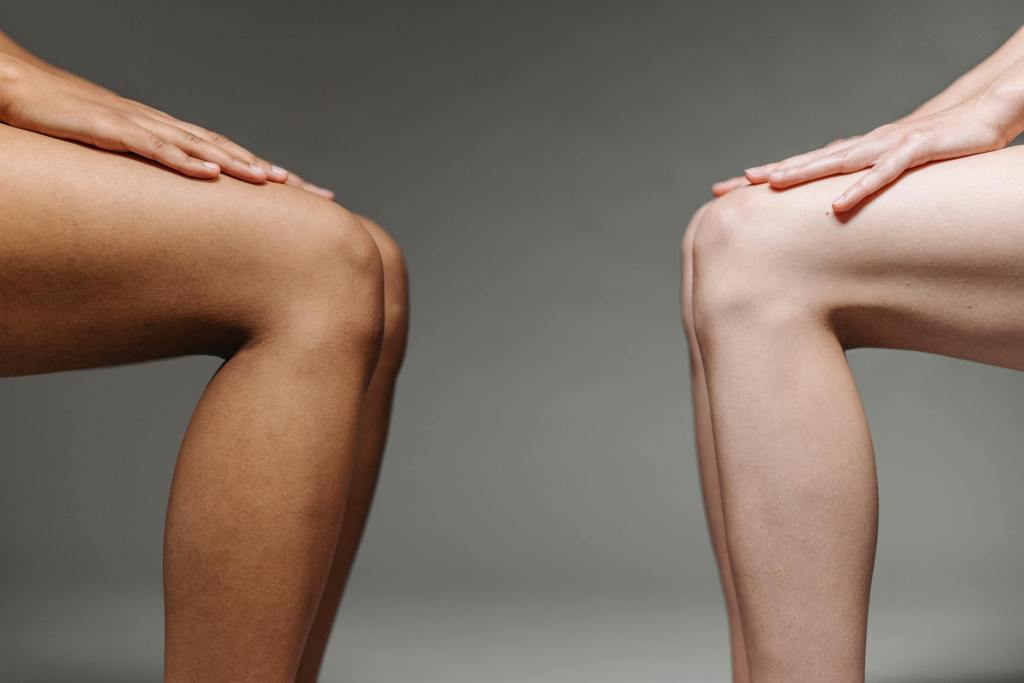
While she is doing what she wants to do, I do some exercises for my knees. I’m still applying the ‘wear and tear’ gel to the backs of my knees, taking a joint care supplement, and saying the affirmation: “My knee is healing and getting stronger each passing day”. This combination of attention to my knees seems to be working. My right knee – the one that I was having some problems with a few weeks ago – is much improved.  Again, I reflect on how lucky I am, at the age of 69, to have the level of fitness and health in my body that I have.

During difficult times mentally and emotionally it can be hard to look after ourselves physically. Well, that’s my experience anyway and earlier blogs refer to evidence that supports this.

And, of course, it is in those times that we most need to look after ourselves in all aspects, so that we can have the chance to recover into a good place.

If it wasn’t for Lydia, I would have nowhere near the level of physical fitness that I have at the present time. Taking her for a walk every day – even if it isn’t a particularly long or strenuous one – has helped me both physically and mentally. The training and learning we’re doing together helps to keep us both mentally stimulated and strengthens the bond between us. 

I gave her some good neck and leg rubs this morning while we were out in the dog field. She settled down into the massage, then shortly afterwards went for another run and a roll.

I’ve read a little bit about the vagus nerve and the part it plays in regulating a dog’s nervous system.

I’m doing some of the things that are recommended to help support her nervous system. She is generally quite calm in most situations these days, including now as she is lying outside in the back yard, enjoying some sunshine and not even barking at the birds. Progress!

As for me, well I think my vagus nerve may be over-stimulated and not well-regulated, but I will keep working on it, doing my best to remain as calm as possible, even under difficult circumstances.

Coming back to knees, I came across an online article, published recently by the Knee Pain Centers of America (The Psychological Impact of Knee Pain and How to Cope) which identifies a link between stress and knee pain:

Stress plays a crucial role in the experience and management of chronic knee pain, affecting both physical and emotional health. When an individual encounters stress, the body activates the hypothalamic–pituitary–adrenal (HPA) axis, leading to increased secretion of cortisol, the primary stress hormone. Elevated cortisol levels over time can contribute to tissue degeneration, muscle wasting, and persistent inflammation, all of which can exacerbate knee pain.

Psychologically, stress is closely linked with emotional disturbances like anxiety and depression. These mental health issues can alter pain perception, often intensifying the sensation of pain through neurochemical pathways. Depression, in particular, involves cytokine imbalance and neurotransmitter dysregulation, which can make pain feel more severe and reduce motivation for physical activity.

Moreover, chronic knee pain can itself influence mental health adversely. Limitations in movement and daily activities may lead to social withdrawal, loneliness, and feelings of helplessness. This emotional distress feeds back into the physical aspect, worsening inflammation and pain, and setting up a vicious cycle.

However, research indicates that managing stress through lifestyle modifications, engaging in regular, low-impact physical activity, and psychosocial strategies can break this cycle. Techniques such as mindfulness, relaxation exercises, and support groups have shown to alleviate stress, reduce inflammation, and improve both mental well-being and joint health.

Referring to strategies to reduce stress and its impact on knee health, the article notes:

Effective strategies include engaging in mindfulness-based exercises such as yoga and tai chi, which promote joint flexibility and mental calmness. Maintaining a healthy lifestyle with weight management, smoking cessation, and regular exercise helps lower stress levels and protect joint integrity.

Supportive therapies like cognitive-behavioral therapy (CBT) help reframe negative thought patterns about pain, reducing catastrophizing and emotional distress. Additionally, social support networks and participation in support groups can provide emotional resilience, helping individuals cope better.

Incorporating these approaches into comprehensive treatment plans addressing both physical and mental health aspects yields better outcomes, reducing pain severity, improving mood, and fostering overall well-being.

Therefore I seem to be doing quite a few things right to help maintain healthy knees. I’ve still got a lot to work on but I am doing what I can, when I can.

The identified strategy also brings to mind and – to my mind – supports the principle of affirmations. Affirmations help to reframe negative thought patterns and I am committed to continuing to do that, for myself, for my knees and for my dog.

My knee is healing and getting stronger each passing day.