Day 14 – clarity

Writing into Life

The gears in my car are still not fixed so I’m taking it back to the garage again this afternoon.

I know it will get sorted, one way or another, sooner or later. I do hope it’s sooner though.

Some clarity of thought is coming through and I woke this morning with a lighter heart than I’ve had for a long time.

Even so, I revelled in being able to lie in bed until after 9am, before getting up, making tea for Trev and me, and then doing a short meditation before taking Lydia out for her walk.

Even just a five-minute meditation on a morning is making a real difference, combined with the group sessions that I take part in on a Wednesday evening and the additional occasional teachings at the centre. It’s a slow shift but a shift nonetheless. Yoga and Qigong also have strong meditative aspects to them, working at different levels.

It’s another warm September morning – we are still so blessed with the weather. I know we are blessed whatever the weather but I have enjoyed the weather this summer, moving into autumn.

On the way back I stop off to post a birthday card for a friend – the friend I mentioned in my post on volunteering a couple of days ago. https://gladabout.life/2025/09/06/day-12-volunteering/ She knows who she is!

While waiting in the queue at the post office I do a few exercises for my knees. They are so much better now than a few months ago and I’m not taking that for granted.

I then went on to buy a large unsliced loaf from the local bakery.  Two big chunky slices with olive spread and blackcurrant jam make a delicious breakfast for me while Lydia enjoys her food from her feeding ball.

I think back to when I restricted my food intake to such an extent that I used to do an eight-hour evening shift as a waitress, full on, on my feet and rushing round all that time, before I would allow myself a slice of bread for breakfast the following morning.

Even though breakfast for me now is usually late – today around 11.30am – and I rarely have lunch, it’s not because I’m limiting myself by willpower, it’s just because I don’t want to do things any differently. I don’t want or need three meals a day plus snacks.

I’m not thin, but I’m not heavily overweight either. I have Lydia to thank for that, at least in part.  Our regular walks every day give my system a much-needed boost.

Day 11 – welcome

 Writing into Life

As I wake this morning I reflect on a reminder from the Buddhist teachings over the last few months:

Welcome Wholeheartedly Whatever

It isn’t always easy to welcome the difficult stuff especially when it feels like there’s no end of difficult stuff to deal with.

But I find that the more I apply this principle, the more I begin to understand what it means. I’ve still got a long way to go in deepening my understanding of what it means, but I’ll keep working on it.

Today, though tired after yesterday’s intensive session at the studio, including the 50-minute drives to get there and back, I feel a sense of something having shifted in my inner landscape; not a momentous shift – marginal, but a shift nonetheless.

Sticking with a steady routine of walking Lydia daily, going to regular yoga and Qigong classes, building a short meditation practice into my morning routine, benefiting from the expert guidance and teachings from the Buddhist Centre and the weekly classes, and returning to the pottery studio for an afternoon of contemplative creativity in conducive company, are all helping to restore something in me that has needed to be restored for a very long time.

As I write, Lydia is relaxing in a corner of the room on her favourite rug.  She’s had her walk and breakfast, spent a bit of time outside doing a bit of barking, and now – like me – she is ready to rest a bit.

I’ll go out later and do a bit of shopping, taking some soft plastic waste with me to go in the recycling bins that Aldi have in store.  Their distribution methods do create a lot of plastic waste but at least they provide recycling facilities. Less waste would be better but we all have to start somewhere.

It’s hard to say which self-management rule applies here, although it could be rule no. 13: something to do with responsibility.


Exercise and mental health: overcoming barriers

First published 1st February 2021

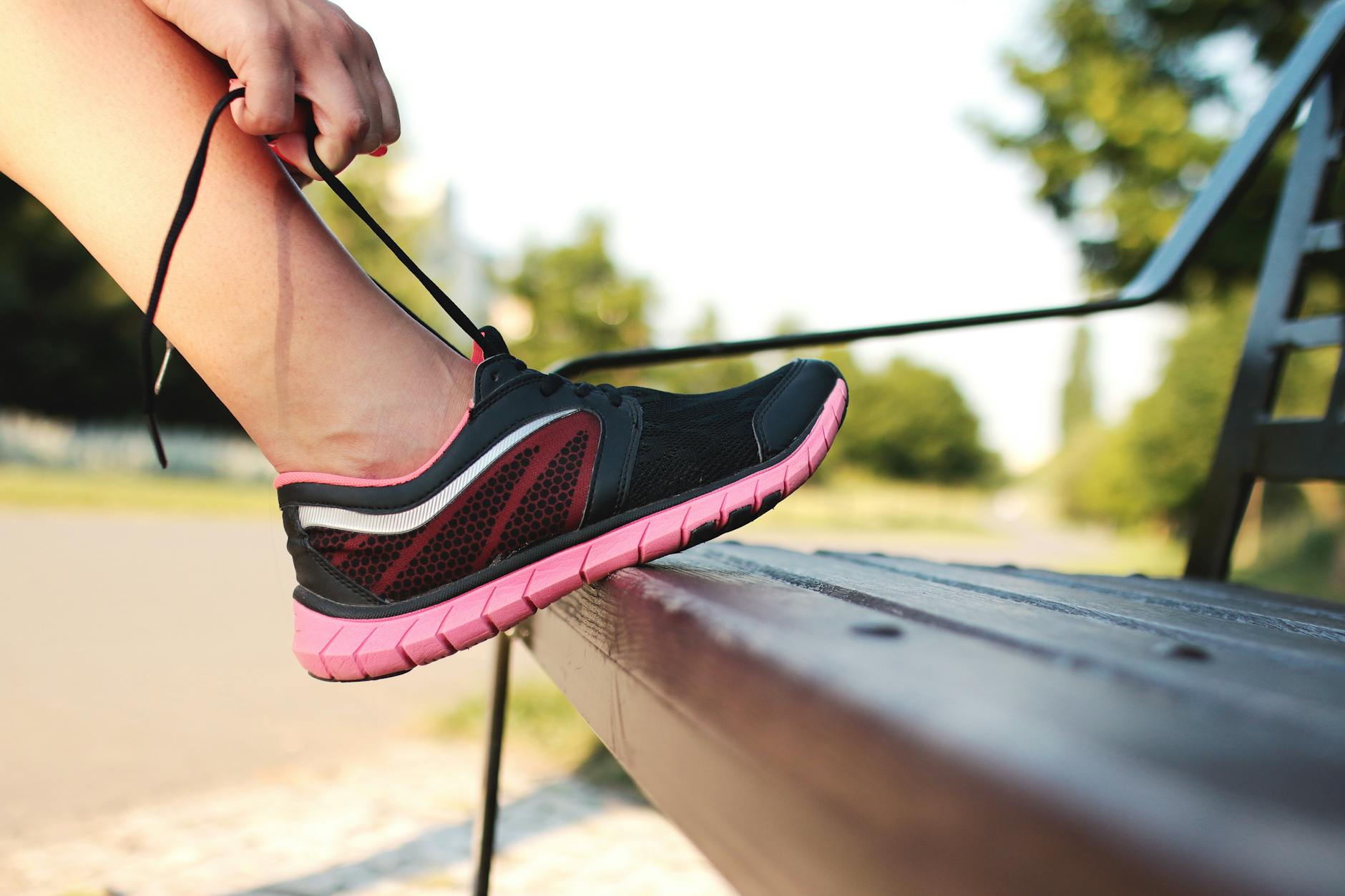
Photo by JESHOOTS.com on Pexels.com

The health benefits of exercise are well recognised.

Exercise also keeps the brain and your other vital organs healthy.

Experts believe exercise releases chemicals in your brain that make you feel good. Regular exercise can boost your self-esteem and help you concentrate, sleep and feel better.

“I get a huge buzz from my rock ’n’ roll class. Hours later, my legs ache, but I’m still smiling.”

Exercising doesn’t just mean doing sport or going to the gym. Walks in the park, gardening or housework can also keep you active.

Experts say most people should do about 30 minutes’ exercise at least five days a week.

Try to make physical activity that you enjoy a part of your day.

[Source: 2. Keep active | Mental Health Foundation]

We all know this and are likely to have had direct experience of these benefits. 

Why, then, can it still be so difficult to find the motivation to exercise?

It’s an issue that I’ve struggled with all my life, experiencing barriers associated with body image when I was younger.  I knew swimming was good exercise but would only ever go to a swimming pool or wear a swimsuit on a beach if I’d starved myself to be thin enough to feel able to do that. And even then, I felt morbidly self-conscious about how I looked.  It took a long time and a lot of working through masses amount of personal ‘stuff’ before I could stop worrying and start enjoying swimming. My partner and I even go wild swimming now, and it feels wonderful.

I tried jogging but always found it so hard to build myself up to a regular routine. Lacking in willpower and discipline some people might say.  Struggling with severe depression, anxiety and low self-esteem was the real reason.  I’ve continued to struggle ever since, but have also never given up. Now 65, I’ve been doing on-line exercise classes, including yoga and pilates during lockdown.  Last summer we did some cycling around our local lanes.  We still both find that it’s an effort to go out, sometimes, but give each other a push and/or moral support when we need it.  Whatever it takes. 

What’s the alternative?  An inactive old age with all the complications that brings?

I’ve always found it difficult to go to a gym or to exercise classes after work. Just getting through a day involved such a major effort for me.  So, I looked for ways to combine exercise into my daily routine.  Cycling to work meant that I often turned up looking like a drowned rat, but it did help.

Even so, I continued to struggle with depression and continued to find it hard to motivate myself to exercise enough to help it lift on anything more than a temporary basis.  I felt like the only way I could sustain the ‘lift’ would be to train as if I was an Olympic athlete.  I have neither the physique nor the talent to be anything remotely akin to athletic and, like most people, have had to commit a significant amount of my time to earning a living and keeping up with the usual day to day domestic activities.

There were times as well when I felt that the more I exercised, the deeper my depression went, after the initial ‘buzz’ fell away. 

I continued to have to do a lot of work to try and shift it, with exercise being one of a number of tools and techniques that I’ve tried and tested over the years.  It has been, and continues to be, a lifetime endeavour.  I think that this is in part because of the way emotions are stored in the body, a matter which has been increasingly recognised and written about including the following article by Sean Grover (2018):

For years, I’ve made a study of where people tend to store their unwanted emotions. Certainly, not all body aches or illnesses are psychosomatic. However, as I studied people’s bodily reactions to stress, recurring patterns emerged.

Healthy vs. Unhealthy Repression

Fear is the driving force behind repression, and is frequently rooted in your past. Repression is often necessary, particularly when you feel overwhelmed or experience trauma. But an overdependence on repression fuels psychosomatic symptoms and self-destructive patterns.

[Source:Where Do You Store Stress in Your Body? Top 10 Secret Areas | Psychology Today]

In his article in Psychology Today, Sean Grover goes on to identify the ‘Top 10 Tension Areas for Unwanted Feelings’ as:

1.Lower Back: Anger
2. Stomach & Intestines: Fear
3. Heart & Chest: Hurt
4. Headache: Loss of control
5. Neck/Shoulder Tension: Burdens
6. Fatigue: Resentments
7. Numbness: Trauma
8. Breathing Difficulties: Anxiety
9. Voice & Throat Problems: Oppression
10. Insomnia: Loss of self

I find this interesting and helpful, relating these areas to recent and past experiences.

I did a lot of work on repressed anger at one point, including going to a workshop where I was encouraged to take a lot of it out on a punch bag.  The physicality of the release at the time was phenomenal (although I did go into a kind of ‘toxic shock’ afterwards, so I would not recommend anyone trying this approach without a very strong support network around them).

Some years later, experiencing stress at work, I searched out volunteering opportunities, finding an outlet by doing trail maintenance work where I could break big rocks into smaller rocks to make hardcore with a sledgehammer.  I came back refreshed and invigorated. Although the effects did wear off after a while, I have so far – touch wood – not suffered from lower back problems.

Fatigue and resentments strike a chord with me – I’m so good at hanging on to them, no wonder I feel tired all the time!

So, while I’ve done a lot of work on myself to get to this point, and to feel largely positive about the position I’m in, there’s still a lot to do.

It’s often the enormity – or perceived enormity of the challenge – that puts us off dealing with it, which leads to repression, which leads to depression….

There are no easy answers or quick fix solutions, especially when difficulties are deep-rooted.  I just keep reminding myself that it’s all about the next step. And the one after that. And the one after that.  It does get easier.  Miraculously – it feels to me – my steps feel a lot lighter, at the age I’m at now, than they did when I was young, all those years ago! Something must be working, somehow. Barriers can be overcome. It’s not easy, but it’s worth working at it, bit by bit.

Day 22

Continuing the story of Lydia and Me

Despite having had the luxury of a camp bed at the weekend, today I woke feeling aches and pains in places where I don’t usually feel aches and pains.

It was just as well, then, that I had my usual Monday afternoon yoga and Qigong classes to go to. Both proved exceptional in helping me to relax and re-energise.

In the relaxation session at the end of yoga, I had the added benefit of a brief shoulder massage by the teacher.

In Qigong we continued to work on the wonderful movement of ‘dragon’, building up to it in ways that encourage flexibility and focus.

I then took Lydia for a walk in the wind.

It was a warm but quite strong wind and I think we were both invigorated by it.

As I write, it feels like my whole body, breath and being have had good workouts.

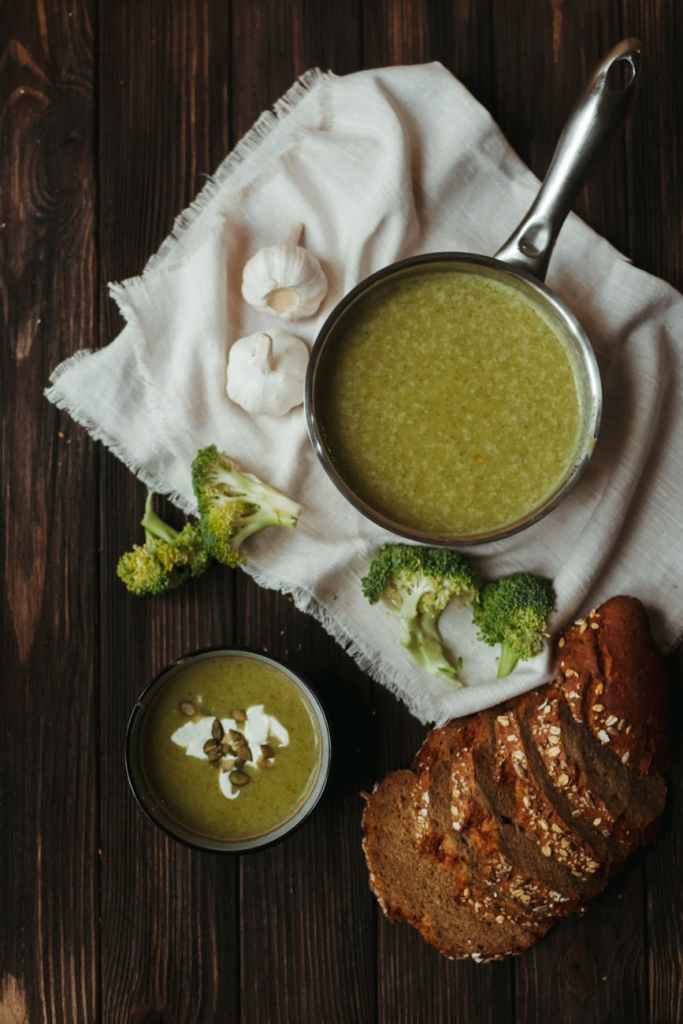
Further nourishment comes from the broccoli soup that Trev has made for tea.

All in all its been a healthy Monday.

Day 18

Continuing the story of Lydia and Me

Waking but not rested, I refer again to the RARE mantra this morning. (https://gladabout.life/2025/07/30/day-17-2/)

It helps me to recognise that the anxiety I have about being tired – and fear of never not being tired ever again – is a delusional thought.

I can then accept being tired for the time being and reduce the impact of my negative thoughts by thinking about something else.

Lydia and I have a dog field session booked for 9.30am so after a slow cup of tea (I don’t do quick these days) I get her ready to go out.

She is such a good girl when I call her to put on her harness and she then sits at the back door without me even having to ask her, waiting patiently until I give her the “OK”.

It’s great to see her bounding around the field as soon as I’ve taken off her harness and lead. She is so excited to catch up on all the smells and she does what she wants to do while I do some knee exercises.

I’ve realised this week that my knees are much improved in flexibility and I want to keep them that way. It’s so easy to become complacent and forget to do my exercises, but I need my knees!

Lydia gets some cardio-vascular exercise when she chases vans that pass on the track that runs along the other side of the fence, and follows my suggestion to have a drink of water after her exertions. We do a bit of “heel” reinforcement work and she’s very enthusiastic about taking the treats from my hand.

There is a moment, in the field, when the warmth of the sun combined with the gentle breeze feel absolutely perfectly balanced. It is a beautiful day.

Back home, Lydia has her breakfast and I have mine:  coffee – made by my partner, Trev – and fruity, nutty flapjacks – made by me.

Later I do some garden tidying. Lydia helps me as she often does when I’m working in the garden, and digs away, covering the area I’ve just brushed clean with fresh soil – how kind of her!

Day 20

Continuing the story of Lydia and Me

I’ve been looking back through some of my earlier blog posts, including one that I wrote in 2021:

I referred to an article, Where Do You Store Stress in Your Body? Top 10 Secret Areas | Psychology Today by Sean Grover, who identifies the ‘Top 10 Tension Areas for Unwanted Feelings’ as:

1.Lower Back: Anger
2. Stomach & Intestines: Fear
3. Heart & Chest: Hurt
4. Headache: Loss of control
5. Neck/Shoulder Tension: Burdens
6. Fatigue: Resentments
7. Numbness: Trauma
8. Breathing Difficulties: Anxiety
9. Voice & Throat Problems: Oppression
10. Insomnia: Loss of self

I found that list helpful then, and I do now.

Historically I’ve had a long struggle with anger.  I’ve done a lot to address this, as I described in my blog from 2021, and continue to do so.

I’ve recently worked through sudden surges of fear and anxiety, as described in my book, Train your dog; train your mind – positive reinforcement for humans and canines https://amzn.eu/d/eQ2sWjU https://amzn.eu/d/99yW3Qk. (also available for Kindle, see below)

I don’t have any problems with my stomach and intestines, nor breathing difficulties. I used to suffer from fatigue but don’t anymore, generally sleep well, never get headaches and am altogether faring very – and thankfully – well for my 69 years.

I could just be lucky and, in many ways, I know that I am. I am very very fortunate to have the robust and healthy body that I have. But I have also done a lot to work through negative emotions, as well as finding ways that work for me to keep my body fit and healthy.

Having established a basic pattern – incorporating Qigong, yoga and walking – into my weekly routine, I’m sticking to it.

A step at a time, a day at time. It’s amazing how it builds up until you realise that you don’t have to make quite so much effort that you used to have to make, because a lot of the inner resistance has gone.

As I write, Lydia lies sleeping on the floor in front of me. She rests and sleeps a lot but she’s approximately 10 years old. She readily jumps in and out of the car with ease, rolls around in the dog park, runs about wearing her ‘happy legs’ as I call them. She’s booked in for a routine health check at the vets next week but I’m fairly confident she has no issues with her heart or digestive system (I make sure that good stuff goes in and monitor what comes out). She continues to have fear and anger issues on sight of her triggers: other dogs, some people, moving vehicles.

We’ll keep working on our residual tension areas, together.

It probably won’t be easy, but we’ll do it, step by step, day by day.

Train your dog; train your mind – positive reinforcement for humans and canines – now available in paperback: https://amzn.eu/d/eQ2sWjU.

The Kindle version is currently for sale at £0.99 on a Kindle Countdown deal https://amzn.eu/d/99yW3Qk.

Happy Summer Solstice Everyone!

Day 19

Continuing the story of Lydia and Me 

After dropping my pots off yesterday with Imogen, who runs the firing service that I use, I went to the pottery studio. There I had a quiet afternoon making more pots. I didn’t count how many I made. I discarded one and there was another that I could have discarded but I chose to keep it. It has a quirky shape, not quite what I was aiming for at the time – my throwing skills are still very much in development:) – but it may turn out to be a pot that somebody chooses to buy, and loves.

This morning, I lie in until about 9.30, although get up a few times to let Lydia out into the back yard and then go out to her when she starts barking. I give her a good “rub-a-dub-dub” massage to help calm her down and she settles again, for a while.

It’s another hot day so we only have a short walk but it’s a relaxed one. Lydia is walking by my side, to heel, most of the time. She does start to lunge and bark at a passing car but I do what the behaviourist taught me to do and then give her plenty of verbal reassurance, combined with some more “rub-a-dub-dub”. I think she’s started to associate the phrase with the massage now, so we’ll keep working on it.

I notice that my knee is a lot better; the right one that I tend to have problems with. I also notice that I’m spending more time rubbing in the ‘wear and tear’ lubricating gel that I bought, to help with it. The combination of gel, affirmation, physio exercises and joint care vitamin and mineral supplement is working. Slowing down the pace, focusing on priorities, is working too, for Lydia and for me. The stress that I had been feeling a few days ago is dissolving, for now at least. How wonderful this weather is; long may it last.

Train your dog; train your mind – positive reinforcement for humans and canines – now available in paperback https://amzn.eu/d/eQ2sWjU as well as for Kindle https://amzn.eu/d/99yW3Qk

    Day 13

    The narrow path through the field that leads to the woods where we walk

    Continuing the story of Lydia and Me https://amzn.eu/d/99yW3Qk

    Lydia and I had a change of routine this morning.

    I usually take her out for a walk mid- to late morning.

    This morning, I had my poetry group meeting starting at 10, and I needed to leave for that around 9.20.

    I could have taken Lydia out for an early walk, but I needed a bit of a lie in and she didn’t seem too keen on an early start either.

    While I understand that routines are generally considered good for dogs (and some humans)[1], I also personally think that an occasional change of routine can be a good thing too.

    I’m not alone in holding this view:

    Routine keeps us comfortable, but it can also leave the brain in a bit of a rut. When we shake up our daily habits, the brain has to adapt, engage, and stay alert, which can boost mental flexibility and cognitive resilience. Changing up small parts of our routines—like taking a different route to work or brushing our teeth with the opposite hand—might seem simple, but these small acts can significantly affect cognitive health.[2]

    My inclination can often be to push myself in order to accommodate the needs of others, including my dog.  That’s no bad thing, except that I’ve recently come to realise that pushing myself progressively over a period of time, to accommodate a very difficult set of circumstances, has had a dysregulating effect on my nervous system. I’ve been experiencing some of the symptoms identified with nervous system dysregulation including feeling emotionally overwhelmed, irritable, or easily triggered’[3] Knowing that I was close to burnout, I’ve also, for some time, been doing quite a lot to try and restore balance, including resting, practicing Qigong and yoga, meditating, walking with Lydia, making things with clay, spending time in good company, spending time alone.

    With the line now drawn under the difficult circumstances that I’ve been dealing with, I’m confident that the measures I’ve been taking will start to have more of a positive impact on my emotional and mental health.

    I’m also confident that changing Lydia’s routine now and again is not going to have a negative impact on her emotional and mental health.

    The theme for the next poetry group session is ‘birds’.  Lydia and I saw a few birds on our walk through the woods this morning. Birds are a source of inspiration for my work with clay. I look forward to letting myself be inspired by the subject of ‘birds’ in my work with words.  It’s good being a Poetic Potter and a Potting Poet, and it’s good being glad about life.


    [1] Importance of a Daily Dog Routine & What it Should Look Like

    [2] The Cognitive Impact of Changing Your Daily Routine – Very Big Brain

    [3] Top 12 Signs of a Dysregulated Nervous System

    Day 12

    Continuing the story of Lydia and Me https://amzn.eu/d/99yW3Qk

    Lydia had a chance to run about without harness or lead this morning, in a secure dog field.

    I love to see her using what I call her ‘happy legs’, as she trots around, rolls about, sniffs, sniffs and sniffs some more.

    While she is doing what she wants to do, I do some exercises for my knees. I’m still applying the ‘wear and tear’ gel to the backs of my knees, taking a joint care supplement, and saying the affirmation: “My knee is healing and getting stronger each passing day”. This combination of attention to my knees seems to be working. My right knee – the one that I was having some problems with a few weeks ago – is much improved.  Again, I reflect on how lucky I am, at the age of 69, to have the level of fitness and health in my body that I have.

    During difficult times mentally and emotionally it can be hard to look after ourselves physically. Well, that’s my experience anyway and earlier blogs refer to evidence that supports this.

    And, of course, it is in those times that we most need to look after ourselves in all aspects, so that we can have the chance to recover into a good place.

    If it wasn’t for Lydia, I would have nowhere near the level of physical fitness that I have at the present time. Taking her for a walk every day – even if it isn’t a particularly long or strenuous one – has helped me both physically and mentally. The training and learning we’re doing together helps to keep us both mentally stimulated and strengthens the bond between us. 

    I gave her some good neck and leg rubs this morning while we were out in the dog field. She settled down into the massage, then shortly afterwards went for another run and a roll.

    I’ve read a little bit about the vagus nerve and the part it plays in regulating a dog’s nervous system.

    I’m doing some of the things that are recommended to help support her nervous system. She is generally quite calm in most situations these days, including now as she is lying outside in the back yard, enjoying some sunshine and not even barking at the birds. Progress!

    As for me, well I think my vagus nerve may be over-stimulated and not well-regulated, but I will keep working on it, doing my best to remain as calm as possible, even under difficult circumstances.

    Coming back to knees, I came across an online article, published recently by the Knee Pain Centers of America (The Psychological Impact of Knee Pain and How to Cope) which identifies a link between stress and knee pain:

    Stress plays a crucial role in the experience and management of chronic knee pain, affecting both physical and emotional health. When an individual encounters stress, the body activates the hypothalamic–pituitary–adrenal (HPA) axis, leading to increased secretion of cortisol, the primary stress hormone. Elevated cortisol levels over time can contribute to tissue degeneration, muscle wasting, and persistent inflammation, all of which can exacerbate knee pain.

    Psychologically, stress is closely linked with emotional disturbances like anxiety and depression. These mental health issues can alter pain perception, often intensifying the sensation of pain through neurochemical pathways. Depression, in particular, involves cytokine imbalance and neurotransmitter dysregulation, which can make pain feel more severe and reduce motivation for physical activity.

    Moreover, chronic knee pain can itself influence mental health adversely. Limitations in movement and daily activities may lead to social withdrawal, loneliness, and feelings of helplessness. This emotional distress feeds back into the physical aspect, worsening inflammation and pain, and setting up a vicious cycle.

    However, research indicates that managing stress through lifestyle modifications, engaging in regular, low-impact physical activity, and psychosocial strategies can break this cycle. Techniques such as mindfulness, relaxation exercises, and support groups have shown to alleviate stress, reduce inflammation, and improve both mental well-being and joint health.

    Referring to strategies to reduce stress and its impact on knee health, the article notes:

    Effective strategies include engaging in mindfulness-based exercises such as yoga and tai chi, which promote joint flexibility and mental calmness. Maintaining a healthy lifestyle with weight management, smoking cessation, and regular exercise helps lower stress levels and protect joint integrity.

    Supportive therapies like cognitive-behavioral therapy (CBT) help reframe negative thought patterns about pain, reducing catastrophizing and emotional distress. Additionally, social support networks and participation in support groups can provide emotional resilience, helping individuals cope better.

    Incorporating these approaches into comprehensive treatment plans addressing both physical and mental health aspects yields better outcomes, reducing pain severity, improving mood, and fostering overall well-being.

    Therefore I seem to be doing quite a few things right to help maintain healthy knees. I’ve still got a lot to work on but I am doing what I can, when I can.

    The identified strategy also brings to mind and – to my mind – supports the principle of affirmations. Affirmations help to reframe negative thought patterns and I am committed to continuing to do that, for myself, for my knees and for my dog.

    My knee is healing and getting stronger each passing day.

    Day 8

    Continuing the story of Lydia and Me https://amzn.eu/d/99yW3Qk

    Today I’ve had a walk/yoga/Qigong combo: great for physical and mental health.

    The Policy paper, Major conditions strategy: case for change and our strategic framework Updated 21 August 2023 (www.gov.uk), includes reference to Musculo Skeletal (MSK) Health:

    What the data tells us and our existing commitments

    Poor MSK health is the leading contributor to the global burden of disease, with 20 million people in the UK living with an MSK condition (see the State of musculoskeletal health). In addition, one in 8 report living with at least 2 long-term conditions, one of which is MSK related. MSK conditions are one of the leading causes of years lived with disability in the UK today, accounting for 21% of YLDs, with low back pain the top cause (see the State of musculoskeletal health). They are also one of the main reasons given for ill health inactivity, with 21% of those economically inactive reporting MSK conditions.

    MSK conditions affect people across the life course and cover a range of conditions, including conditions of MSK pain such as osteoarthritis, back pain and fibromyalgia, osteoporosis and inflammatory conditions such as rheumatoid arthritis and spondyloarthritis.[footnote 48]

    Prevention, early detection and treatment can enable people to live in good health, remain independent and connected to the community, reduce the pressure on health and social care services and support people with MSK conditions to thrive in work.

    Reducing the risks

    There are multiple risk factors that can heighten people’s susceptibility to MSK conditions. These include living in an area of high deprivation, older age, being a woman, having a mental health condition, and genetic predisposition.[footnote 49]

    There are also many modifiable risk factors that include physical inactivity, living with overweight or obesity, diets deficient in vitamin D or calcium, and smoking.[footnote 48] For a high number of MSK conditions, secondary prevention will also be effective.

    Everything around us – and underfoot – is green

    I’m doing my bit in reducing the risk to myself, with my commitment to physical activity of various kinds.

    The crops in the field, either side of the narrow path that leads to the woodland walk for Lydia and me, are continuing to grow.  They are now up to waist height on me. That doesn’t mean they are particularly tall, because I’m not, but they are doing well and hopefully will flourish.

    Lydia is a bit ‘tuggie’ this morning, so I do a few about turns. There is a moist warmth arising from the path. Everything around us – and underfoot – is green.

    We’re out for over an hour, at a steady pace. I enjoy my walk in the wood. With the amount of sniffing she does, I feel confident that Lydia does too.

    Returning home, we both have our breakfasts and then I rest for a while before going out to my yoga class.  The class on this day lasts for one-and-a-half hours, and I feel like I’ve had a good workout by the end of it, building up muscle strength and developing flexibility.

    After yoga I drive straight on to Qigong, a journey of about 20 minutes. I arrive early and sit outside on a wall for a while. It’s warm, not hot, and there is a gentle breeze.

    I speak with the Qigong teacher, Sue, and we reflect on why – with all its health benefits – Qigong is still not that well known and more widely practiced. We don’t really have any answers, but I am just very glad that I do go to classes and I do get the benefits.

    The current group of three Qigong lessons – of which this is the second – is concentrating on ankles and shoulder blades. We are slowly building up to a lovely movement known as ‘Cloud Hands’.

    By the end of the class I feel ‘lighter’ in head and body.  A lot of tension has gone. Not all of it, by any means, but a lot.  I am hopeful of a good sleep tonight.