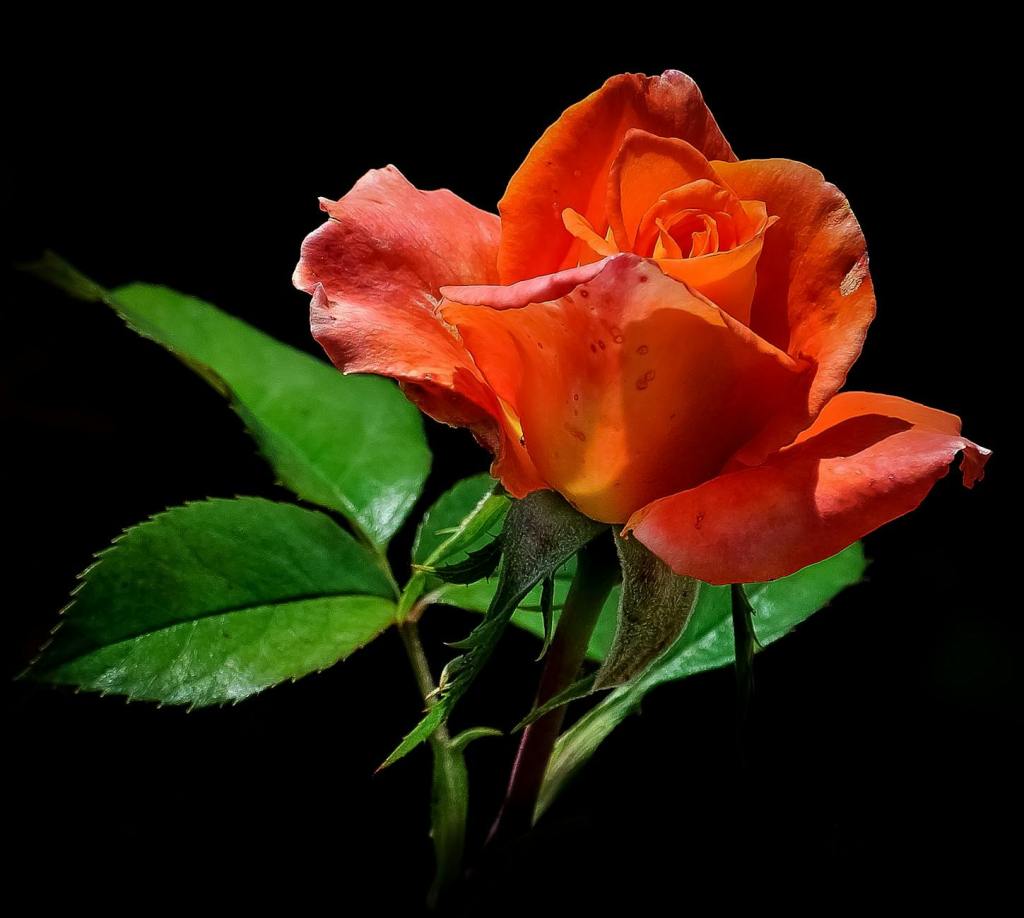
The pathways of my mind Are not defined Just like well-pruned roses They shoot and sprout In all sorts of places At paces I know nothing about
The slate chippings in my garden Are sharp and grey They lay flat and easy In the spaces that I make Not knowing why Or how long it will take
Praying to the sky Leaves turn green and fall Orange, yellow, gold Flowers unfold Well-pruned roses Always turn out best Until it’s time to weed again And then it’s time to rest
Places that I know nothing about Spaces that I make The garden of my mind is growing Like a well-pruned rose That buds and blooms Before it goes
Eventually the birds will come To sing their song In the garden of my well-pruned mind Where they belong
I usually take her out for a walk mid- to late morning.
This morning, I had my poetry group meeting starting at 10, and I needed to leave for that around 9.20.
I could have taken Lydia out for an early walk, but I needed a bit of a lie in and she didn’t seem too keen on an early start either.
While I understand that routines are generally considered good for dogs (and some humans)[1], I also personally think that an occasional change of routine can be a good thing too.
I’m not alone in holding this view:
Routine keeps us comfortable, but it can also leave the brain in a bit of a rut. When we shake up our daily habits, the brain has to adapt, engage, and stay alert, which can boost mental flexibility and cognitive resilience. Changing up small parts of our routines—like taking a different route to work or brushing our teeth with the opposite hand—might seem simple, but these small acts can significantly affect cognitive health.[2]
My inclination can often be to push myself in order to accommodate the needs of others, including my dog. That’s no bad thing, except that I’ve recently come to realise that pushing myself progressively over a period of time, to accommodate a very difficult set of circumstances, has had a dysregulating effect on my nervous system. I’ve been experiencing some of the symptoms identified with nervous system dysregulation including feeling emotionally overwhelmed, irritable, or easily triggered’[3] Knowing that I was close to burnout, I’ve also, for some time, been doing quite a lot to try and restore balance, including resting, practicing Qigong and yoga, meditating, walking with Lydia, making things with clay, spending time in good company, spending time alone.
With the line now drawn under the difficult circumstances that I’ve been dealing with, I’m confident that the measures I’ve been taking will start to have more of a positive impact on my emotional and mental health.
I’m also confident that changing Lydia’s routine now and again is not going to have a negative impact on her emotional and mental health.
The theme for the next poetry group session is ‘birds’. Lydia and I saw a few birds on our walk through the woods this morning. Birds are a source of inspiration for my work with clay. I look forward to letting myself be inspired by the subject of ‘birds’ in my work with words. It’s good being a Poetic Potter and a Potting Poet, and it’s good being glad about life.
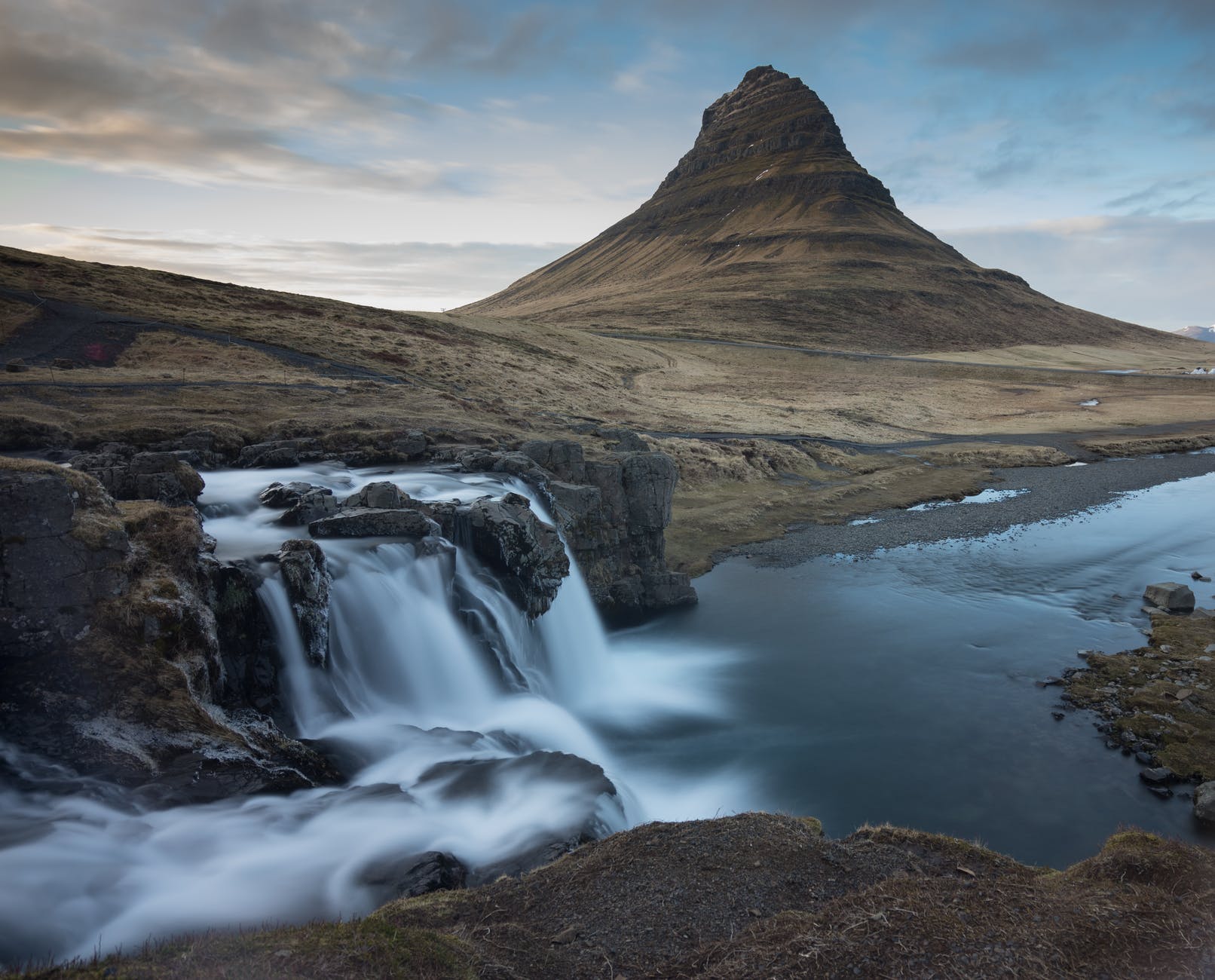
I’d prepared well for my trip to Iceland. But nothing had prepared me for the wild and fragile beauty of the place. And never have I felt more in tune with nature in all its manifestations as when I entered the Jokulsargljufur National Park.
Giant rock formations thrust and thundered their way out of the earth; solid and fluid at the same time. They looked as if they could be there for time immemorial and yet gone tomorrow as the cycle of changes continues to turn. Iceland is a place of mixtures and contrasts; of separateness and unity.
Young beech saplings, richly green, provided a delicate backdrop to purple meadowsweet and long-stalked buttercups. Anemones grew among the rocks and on the open heath, alongside thrift and heather.
Wandering off alone one evening after dinner, I lost myself in order to be replenished with a new sense of awe and wonder for those tiny things that keep singing and smiling and dancing and shining, night after night in that place that beckons and welcomes and yet turns cold and hostile to test the spirit and firm the resolve: the midges; the birds, the flowers.
I walked, I climbed, I turned, I fell, I closed my eyes, I clung to a rock. I scrambled, I gasped and I grasped. I cried and breathed and yelled and pleaded. I sought forgiveness. I felt despair (but only for a moment).
The midges guided me and the birds showed me how to flap my wings to keep warm. I thanked them and rejoiced and sang and danced and whistled and cried. After many twists and turns and loops and leaps, after crossing snow and stream, diving under branches, scrambling up hard rocks and across soft moss, the path became straight and broad and familiar.
Heading finally for sleeping bag and tent, I peeled off my cold, damp clothes and piled on layer after layer, breathing warmth back into my bruised body for as long as I needed to.
I had survived but I had changed. Iceland survives but is changing. The change is being managed intuitively and generously, respectful of the needs of the wild and of those who need to escape to the wild to find a fleeting sense of freedom as a reminder of what we are, have been and always can be.
Goodbye midges. And thank you.
Au revoir Iceland. Bon voyage!
I wrote the above in 1995. Not long after that I spent two weeks as a voluntary inpatient in a psychiatric hospital, where my experience was described by a psychiatrist as a ‘psychotic episode’.
I’ve largely had to fight and find my own way through from that point to this, and never knew what to do with the piece that I wrote. In one sense it’s a piece of ‘travel writing’ and, as I feel more settled now in my head and my heart than I’ve ever been, I thought I might as well publish it on this blog.
 Glad About
You must be logged in to post a comment.